Certifications Of Analysis
I've seen clinics deal with pureness as the only statistics and miss out on the safety side. A purity result has more value when the record shows how that outcome was acquired, such as with HPLC, and whether there is any identity-supporting info such as LC-MS. Top notch research study compounds produced to strenuous logical standards.What Is A Coa?
Having a CoA is not almost following standard operating procedures; it is about taking the added action to make certain that every study configuration begins right. Due to the fact that so many factors can affect laboratory outcomes, beginning with a clear document truly assists. Researchers can compare this record against laboratory assumptions and make wise decisions rapidly. All articles and item details offered on this site are for informational and academic purposes just. Info on this site should not be deemed as medical advice.
Laboratory Details
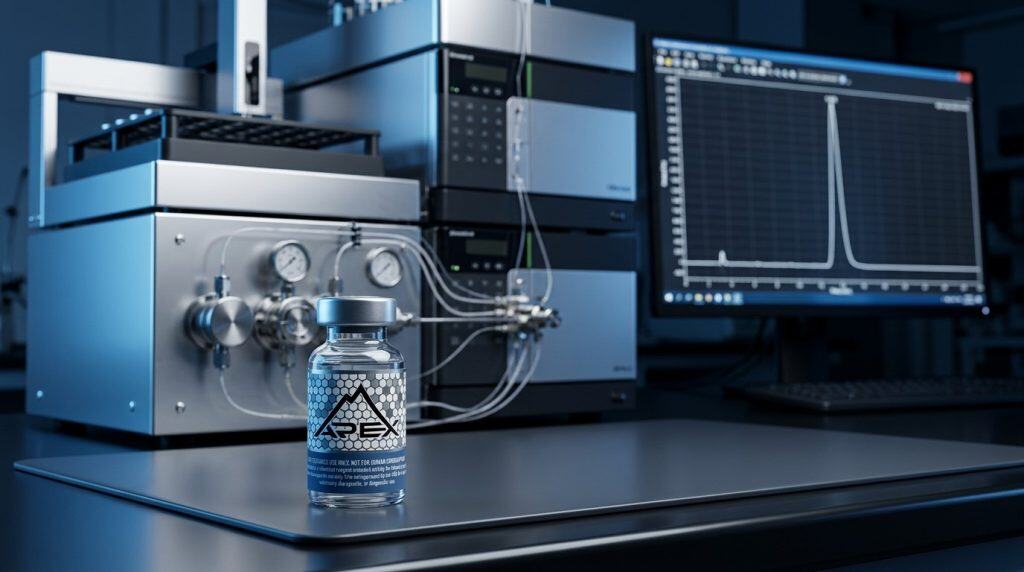
- Matrix-Assisted Laser Desorption/Ionization Time-of-Flight (MALDI-TOF) and Electrospray Ionization (ESI) represent both main mass spectrometry strategies utilized for peptide analysis.A Certificate of Evaluation (COA) is a critical paper that gives in-depth details concerning the top quality and pureness of research study peptides.In peptides for clinical research, this approach helps validate whether the gauged molecular mass lines up with the expected peptide framework.Buyers do not require to analyze every technological detail comprehensive to understand its worth.
Certificates Of Evaluation (coa) Record Discussed For Peptides
The appropriate pureness level depends on your details application and level of sensitivity demands. Outcomes are reported in Endotoxin Devices per milligram (EU/mg), with acceptable restrictions differing by planned usage but normally calling for much less than 5 EU/mg for research applications. The COA reports amino acid structure as molar ratios about a recommendation amino acid, usually set to 1.00. A peptide having two leucine residues and one valine must show a leucine-to-valine ratio of approximately 2.0. Substantial discrepancies suggest synthesis errors or sample contamination. Each batch is supported by maker data and independent verification.
If the paper can not be tied to a specific batch, it comes to be much more difficult to know whether the reported outcomes really apply to the item being marketed. HPLC is normally made use of to divide elements within a sample and approximate the relative percentage of the major detectable peak. For customers, this makes it a typical referral factor for examining reported pureness information on a batch-specific paper. A COA must not just show an outcome, but additionally show just how that outcome was obtained. In a lot of cases, purchasers will certainly see techniques such as HPLC for pureness coverage and, when readily available, LC-MS for identity-related verification.Several vendors of lab-tested peptides and third-party evaluated peptides publish COAs to show transparency regarding their screening procedures. These records permit scientists to examine analytical evidence instead of relying exclusively on descriptive product details. Many COAs that circulate in the research peptide market are technically compliant and almost useless. Knowing the distinction between a COA that passes the list and one that confirms what you are actually holding is the ability this overview covers. For the underlying laboratory methods, see our peptide pureness screening source.